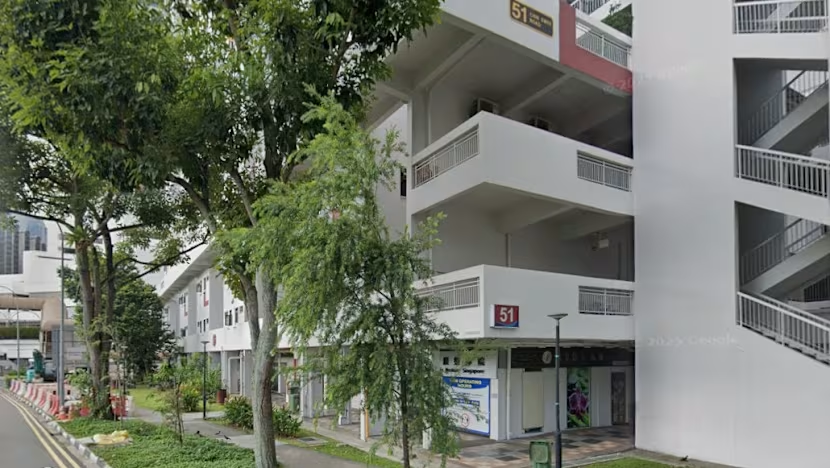
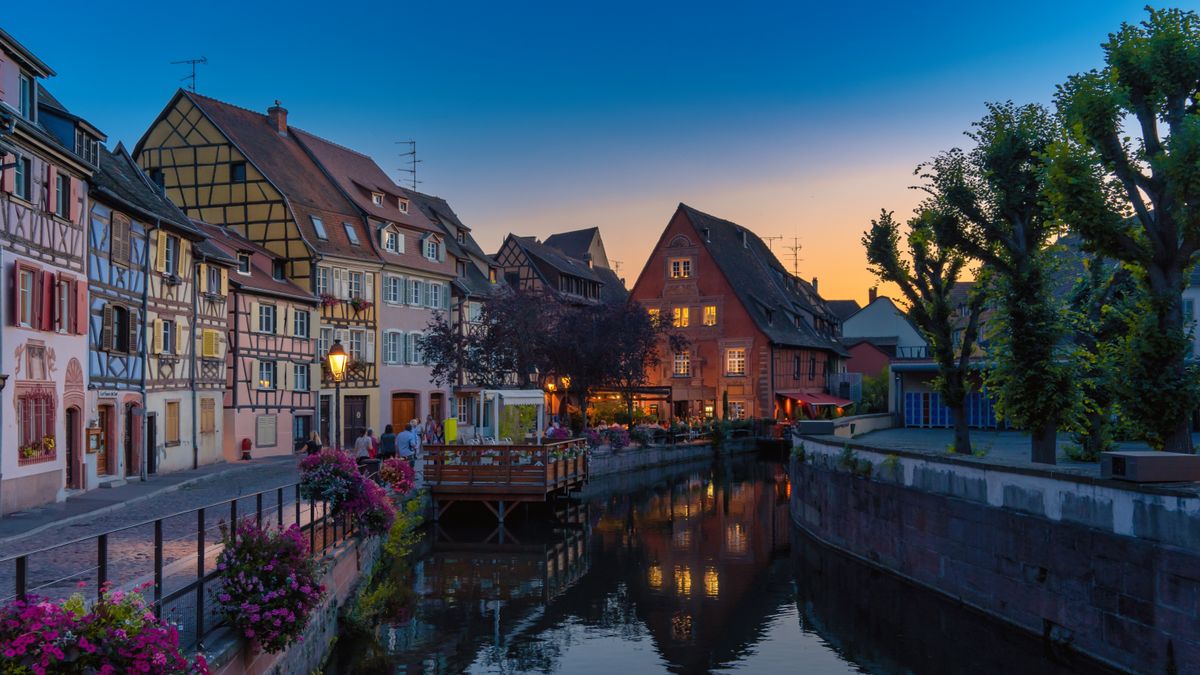
I set out at five-thirty, which is the hour when central Singapore changes costume. The heat loosens its grip. Office lanyards disappear into bags. The first lanterns along Smith Street flicker on, not fully bright yet, just testing the evening. I took the long way — down Chin Swee Road, across to Pearl's Hill, then down the steps that smell permanently of damp concrete and someone else's dinner.
Pearl's Hill steps are not glamorous. They are practical, worn smooth in the centre where decades of feet have agreed on the easiest line. An auntie was climbing ahead of me with a trolley bag that wobbled on every third step. She did not turn around, but she spoke to the air: "Slowly, ah. The hill is always here." I do not know if she meant the hill or the pace. Both, probably.
At the bottom I turned into the lanes — the ones tourists sometimes find by accident and photograph as if they have discovered a secret, though the aunties who live here have known every crack since before the paint faded. The five-foot ways were drying after a short rain. Puddles held fragments of red lantern light like broken stained glass. I walked without headphones for once, and heard a shopkeeper winding down metal shutters one joint at a time, each clank followed by a pause, as if he were counting the day closed.
The interesting light never hits the front of a building. It lives in the gap between two of them.
That is the thing I came home wanting to write about. Everyone photographs the shophouse facade — the green shutters, the carved fascia, the sign in three languages. But the light I love sits in the narrow channel between buildings, where the sun cannot reach directly and instead bounces off two walls at once, turning everything amber and soft. For about eleven minutes in May, if the sky is slightly hazy and the rain has just stopped, that channel glows like the inside of a kopi cup held up to a window.
I stood in one such gap longer than a normal person would. A man on a bicycle passed, nodded, said nothing. A cat watched from a windowsill with the superior calm of creatures who do not schedule their observations. I took no photograph. I have learned that my phone flattens this particular gold into something Instagram-ready and therefore wrong.

I continued toward Chinatown Complex, not to eat, just to walk the outer ring where the hawker smells layer — peanut soup, grilled chicken, detergent from the cleaning closet. An uncle was repairing a lantern string outside a clinic. He had the patience of a watchmaker, tying knots with twine between his teeth and his fingers. I asked if the lanterns were early this year. He said, "Same as always. People only notice when they are ready to notice."
By the time I climbed back toward Chin Swee, the sky had gone violet at the edges. My notebook held three lines and a smudge where rain had hit the page. Not a dramatic walk. No revelation except the usual one: that the neighbourhood I treat as background is, on any given evening, doing something beautiful in a side alley I almost missed. I came home, made tea, typed this up before the gold faded from memory. Some stories are only true if you write them the same night.