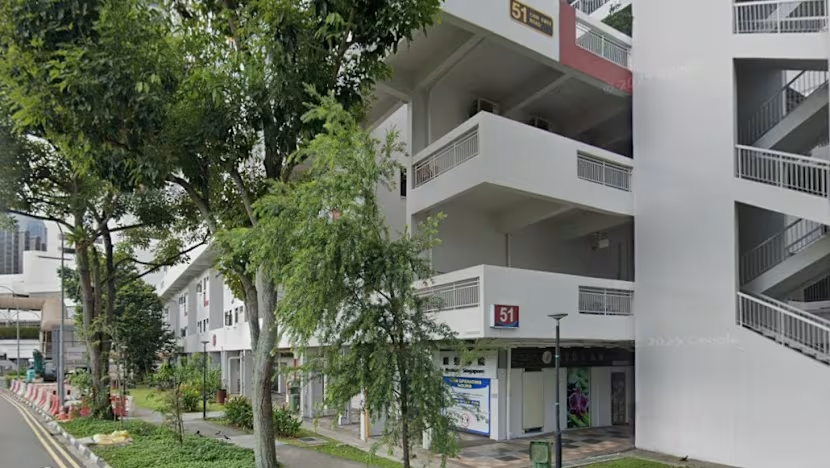
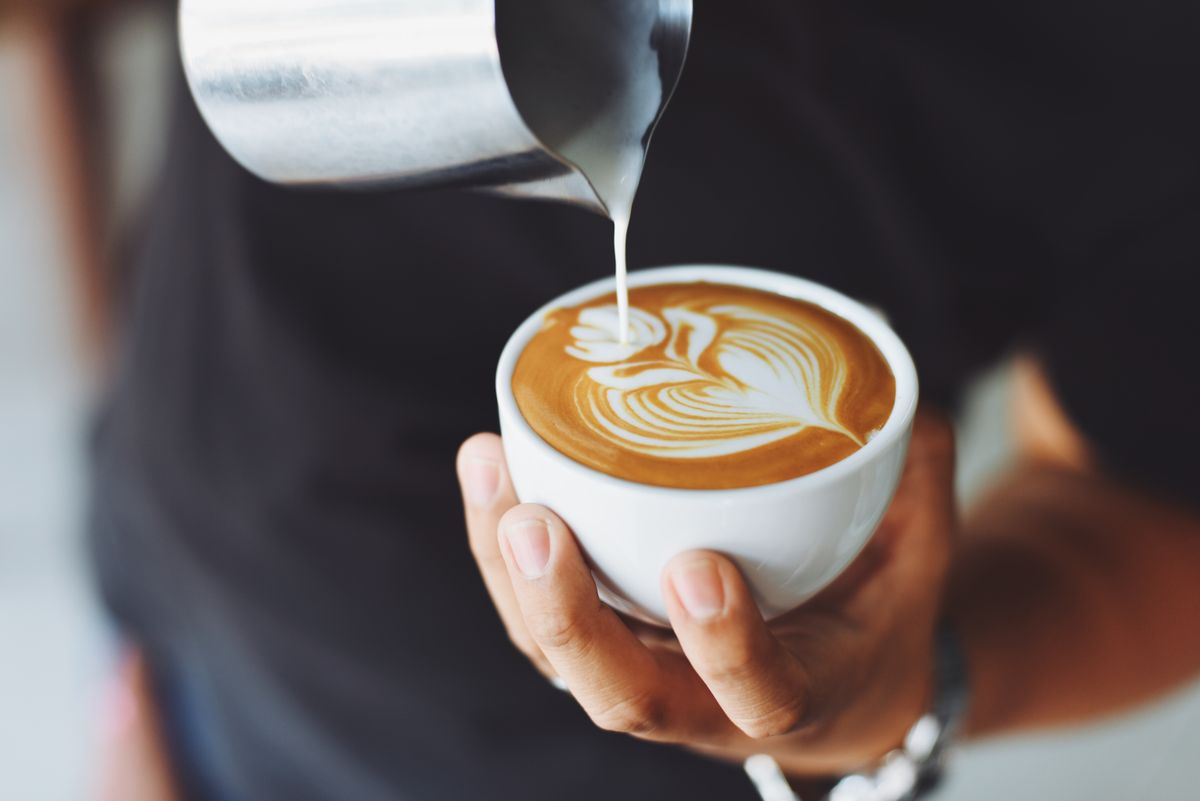
There is a kopitiam two streets from my flat where the ceiling fan ticks like a metronome with a loose screw. I have been going there since I moved to Blk 52, which is long enough that the uncle behind the counter no longer asks what I want. He simply begins the pour when he sees my bag on the chair — kopi siu dai, soft-boiled eggs if the tray is still warm, and sometimes a kaya toast he cuts himself because, as he once told me without looking up, the kitchen boy rushes the spread.
I come early, before seven, when the kopitiam belongs to uncles reading three newspapers at once and aunties comparing notes on which market stall has the freshest chye sim. The air smells of toast and detergent and yesterday's rain still drying in the cracks of the five-foot way outside. I like this hour because nothing is expected of anyone yet. The day has not started demanding things.
The uncle — I have never asked his name and he has never offered it — measures time by the kettle. I have watched him enough to know the rhythm. The water must come to a full boil, then he lifts it, lets it settle for exactly three breaths, then pours through the sock filter in a slow spiral. Too fast and the kopi is thin. Too slow and the queue behind me grows restless, though nobody here seems capable of true restlessness before eight o'clock.
He pours like a man who has decided that hurry is a kind of dishonesty.
Last Tuesday I arrived later than usual, rattled from a night of bad sleep and a morning email I should not have opened before coffee. I sat down harder than I meant to. The uncle glanced at me — the first time in months he had really looked — and changed the order without a word. Instead of kopi siu dai he made kopi o, black and blunt, and set it down with an extra half-inch of space between cup and saucer, as if to say: today we begin plainly.
I wrapped my hands around the cup and felt the heat travel into my palms. The first sip was bitter in the honest way, not the burnt way. My shoulders dropped without permission. An uncle at the next table slid over the sports section he had finished and said, "Young lady, you look like you are solving the world's problems. The world does not want your help before breakfast." I laughed, which surprised us both.
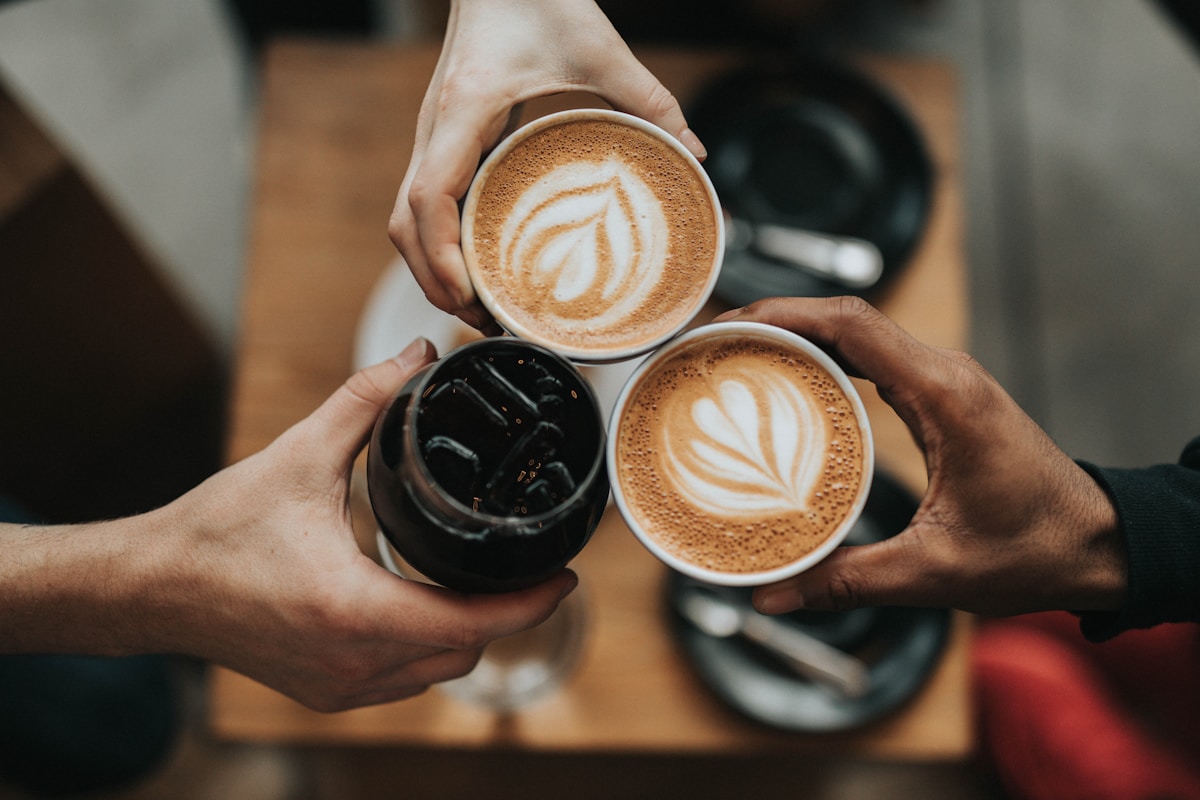
I stayed longer than I planned. The fan kept its metronome. A delivery of bread arrived — soft rolls in plastic bags that steamed faintly when torn open. The uncle wiped the counter in slow circles, the same motion he uses when the shop is empty and when it is full, as if wiping is a form of thinking. I realised I had come here not just for caffeine but for proof that some things still follow an order I can understand: water boils, coffee drips, a man who has made ten thousand pours makes the ten-thousand-and-first with the same attention as the first.
When I finally stood to leave, the uncle said, "Tomorrow also can. Same time better." It was not a question. I nodded, and he turned back to the kettle, already listening for the boil. Walking home past the void deck, I noticed an auntie feeding a cat from a margarine tub — seven o'clock exactly, same as always. Two rhythms, same neighbourhood. I wrote that down on a receipt in my pocket, because it felt like the kind of small true story worth keeping.